Blog
ACE Inhibitors, Potassium and Iodine: A Medicine Check
The NIH lists an interaction between potassium iodide and ACE inhibitors or potassium-sparing diuretics that can raise blood potassium. Prostadine lists iodine without its form or amount. Anyone on these blood pressure or heart medicines should ask a pharmacist before starting.
Written by the Prostadine label deskUpdated · 4 min read

The basics01
What is the interaction?
Potassium iodide, taken with an ACE inhibitor or a potassium-sparing diuretic, can raise potassium in the blood.
The NIH Office of Dietary Supplements lists this under interactions for iodine, alongside antithyroid drugs (NIH ODS, Iodine). High potassium can disturb the heart's rhythm, and in serious cases it is dangerous.
The warning is about the potassium iodide form of iodine. We do not know which form the Prostadine iodine takes, because the label does not say.
The evidence02
Which medicines are involved?
| Type | What it does | Example class |
|---|---|---|
| ACE inhibitors | Relax blood vessels; reduce potassium loss | Names ending in -pril |
| Potassium-sparing diuretics | Remove water but keep potassium | Spironolactone, amiloride, triamterene |
| Antithyroid drugs | Lower hormone output; additive with iodine | Methimazole, propylthiouracil |
If you do not know whether a tablet belongs to one of these groups, the pharmacist can tell you.
The numbers03
Why does the form of iodine matter?
The warning in the sources concerns potassium iodide. Iodine as a seaweed, as iodide in a plant extract or as iodate may behave somewhat differently, though iodine is iodine once absorbed. Without a label, we cannot assume the interaction applies, and we cannot rule it out.
The safe step is to ask the seller what form of iodine is used and in what amount, then ask a pharmacist if either answer touches your medicines.
The catch04
What are the signs of high potassium?
Many people notice nothing, which is why blood tests are used. When there are signs, they include muscle weakness, tingling, nausea, a slow or irregular heartbeat and fainting. A routine blood test of potassium and kidney function is common for people on ACE inhibitors and diuretics.
If you feel weak, faint or notice a slow, irregular pulse after starting a new supplement, seek urgent care.
Safety05
What else raises potassium?
Salt substitutes made from potassium chloride, some sports drinks and high-potassium foods such as bananas, potatoes and tomatoes all add up. For most people with healthy kidneys, none is a problem. For someone on an ACE inhibitor or with reduced kidney function, the total matters, and a doctor may advise limiting them.
That context is why a supplement with a potassium interaction deserves a pharmacist's look, even when the risk seems small. The risk is rarely one thing. It is the sum of several small ones.
If you use a salt substitute, say so when you ask the pharmacist. It is easy to forget and it is exactly the kind of detail that changes the answer.
What to do06
Who else should be careful?
People with reduced kidney function keep potassium more easily, and are also advised to be careful with potassium-rich salt substitutes. If you have kidney disease, ask your doctor before any supplement, since many are cleared by the kidneys.
Do not stop an ACE inhibitor or a diuretic to avoid a possible interaction. Ask your prescriber how to handle it.
On the label07
What do we know about the Prostadine form of iodine?
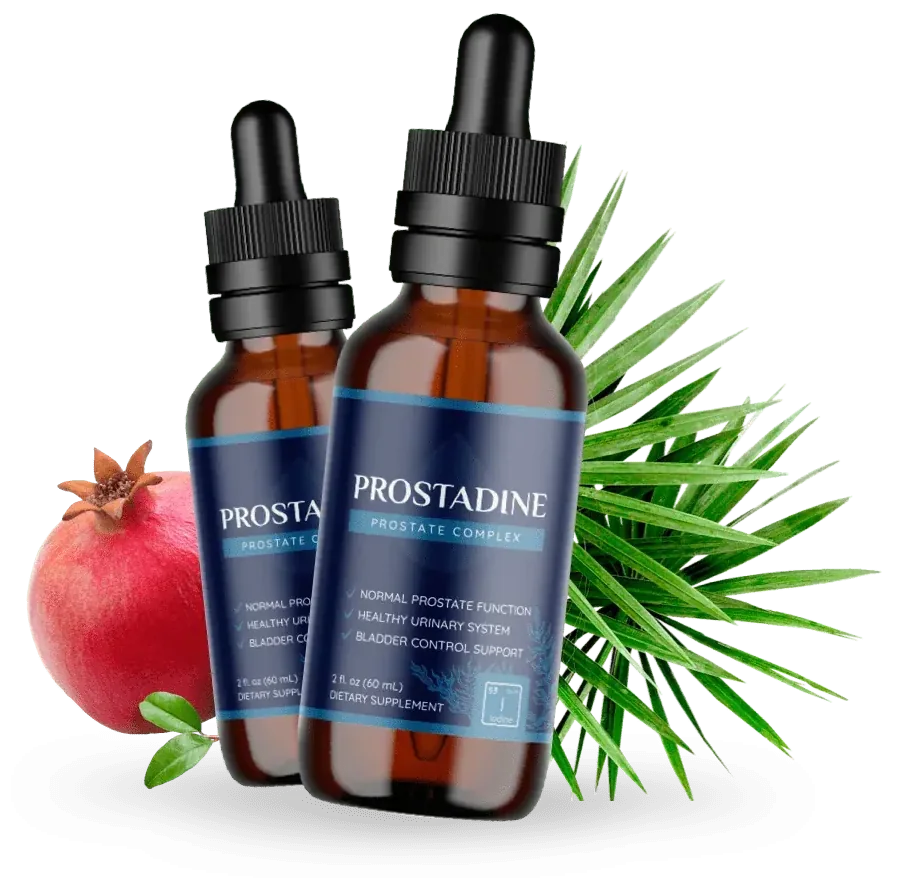
Very little. The front of the bottle shows an iodine tile and the info page lists iodine as the seventh ingredient, but it names no compound. It may be potassium iodide, sodium iodide or iodine from the seaweeds alone. Each has its own behaviour in the body, though the interaction concern in the NIH page is for potassium iodide.
That gap is why this post is a prompt to ask, not a warning that the drops interact. It also shows why a Supplement Facts panel matters: the panel would name the compound and the amount in a single line.
In practice08
How to prepare for the pharmacist
Bring a list of every medicine, including doses, plus the ingredient list from our ingredients page. Ask three questions: does any of my medicines raise potassium, is iodine a problem with them and should I have a blood test if I start.
A pharmacist can often answer on the spot. If they cannot, they can contact your prescriber, which is the better route than guessing.
FAQ09
Prostadine questions people ask
Does iodine interact with blood pressure pills?
Potassium iodide can raise potassium when taken with ACE inhibitors or potassium-sparing diuretics, according to the NIH. Ask your pharmacist about any iodine product.
What form of iodine is in Prostadine?
The label does not say, and the amount is not printed. Ask the seller, and pass the answer to your pharmacist.
Is high potassium dangerous?
It can be. It may disturb the heart rhythm, and severe cases need urgent care. Blood tests check it, and a pharmacist can say whether your medicines raise the risk.
Which medicines end in pril?
ACE inhibitors, such as lisinopril and enalapril. If your tablet ends in -pril, mention it before you start any iodine-rich supplement.
Who wrote this10
Written and reviewed by
Pages built from the bottle photos, the info page and linked NIH, FDA, NCI, FTC and peer-reviewed sources.
Last updated . Read our editorial standards and how we check reviews. This website is run by a licensed U.S. retail desk for Prostadine, not by the manufacturer. We earn money when you buy through our order links.
Keep reading
More about Prostadine

Licensed U.S. retail desk — Prostadine
Ready to try Prostadine?
Check your medicines first, then pick a pack. Three or six bottles ship free in the US and cost less per bottle, and every pack carries the 60-day money-back guarantee.
- Secure checkout
- 60-day money-back guarantee
- Ships from the U.S., free on 3 or 6