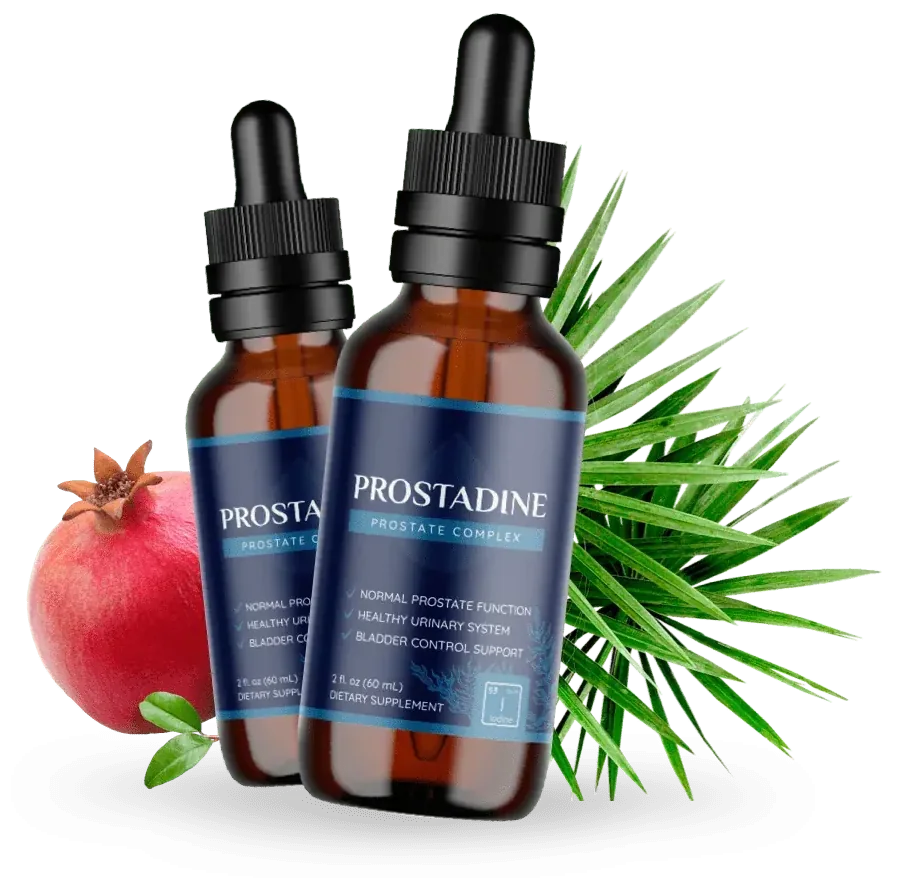
Testing and quality
Prostadine Testing and Quality: What Is Verified and What Is Only Stated
We were given a lot number and a certificate of analysis reference, but we have not seen the certificate itself, and neither appears on any label image. We cannot verify purity or amounts. Below is what is stated, what would prove it, and what to ask the seller before you buy.
Written by the Prostadine label deskUpdated
What is stated01
The quality references the seller gave us
Quality claims fall into two kinds: those you can check against a document, and those you must take on trust. For Prostadine, the seller gave us two references and several statements.
| Item | What we were given | What we could confirm |
|---|---|---|
| Lot reference | PRO-26 / PR-2341 | Not seen on any bottle image |
| Certificate of analysis | Reference PRO-2341-26-PR | The certificate itself was not shown |
| Facility claims | Statements on the info page | No audit report or registration number given |
| Ingredient amounts | None printed | Cannot be tested from the documents |
| Heavy metal or microbe tests | Not described | No results available |
A reference number is not a test result, and a lot code is not a certificate. Anyone can print a number; what matters is a document, signed by a named laboratory, that shows what was measured, by what method, in which lot. Until that document is shown, treat the references as claims, not proof. The batch verify page explains how to ask for it.
The rules02
What the law does and does not check
In the United States, dietary supplements are not approved by the FDA before they are sold, and the maker is responsible for safety and for truthful labelling (FDA, Using Dietary Supplements). The FDA can act after a problem appears, but it does not test each bottle before it reaches a shelf.
Manufacturers must follow current good manufacturing practice rules, which cover identity, purity, strength and composition. Following them is a duty, not a seal, and a company registering a facility has not thereby been approved. The FDA says registration is not approval (FDA, Food facility registration).
That leaves a gap which third-party testing fills. Programs such as USP and NSF verify that what is in the bottle matches the label and is free of listed contaminants, and they publish lists of verified products. We have not found Prostadine on those lists, and the bottle shows no such mark. That is a fact about the documents we hold, not an accusation, and it may change if the seller commissions a test.
Why it matters here03
Why testing matters more for this formula
Two features of this formula raise the value of a test. First, four of the nine lines are seaweeds, and seaweed iodine ranges from 16 to 2,984 micrograms per gram depending on species and harvest (NIH ODS, Iodine). A batch with more kelp could carry far more iodine than the next batch. Second, seaweeds and resins can take up metals such as arsenic from sea water or soil, which is one reason testing for metals is a standard request for such products.
With no amounts printed, a buyer cannot calculate iodine from the label, which is why the site includes an iodine ceiling calculator on the iodine page. A certificate that lists measured iodine per serving would replace guesswork with a number, and it is the single most useful document the seller could share.
A certificate of analysis for your lot that reports iodine per 2 mL serving, plus heavy metals and microbes, from a named laboratory. If the seller will not share it, weigh that in your decision.
Ask the seller04
Six questions to send before you buy
What is in each serving?
Ask for a Supplement Facts panel with amounts, serving size and allergen statement for the 2 mL dose.
Who makes it?
Ask for the manufacturer and distributor names, and the address of the facility.
Can I see the certificate for my lot?
Quote the lot reference and the certificate reference, and ask for the document itself.
What was tested?
Ask for identity, iodine content, heavy metals, microbes and any pesticide screen.
Was a third party involved?
Ask whether an independent laboratory ran the tests and which one.
What happens if I am not satisfied?
Ask for the return steps in writing, including who pays the return postage and whether an opened bottle is accepted. See the refund policy.
The seller's contact details are on the contact page. Keep the replies, because they become part of your record if you later request a refund.
Prostadine: from $49 a bottle60 mL · 2 mL a day · free US shipping on 3 or 6 · 60-day money-back guarantee
See packsWhat a test shows05
What each kind of laboratory test can tell you
Not all tests answer the same question, and a certificate that lists only one kind can still leave gaps. It helps to know what each one measures before you read a result.
| Test | What it measures | Why it matters here |
|---|---|---|
| Identity | Whether the plant or mineral is the one named | Four seaweeds and three plant or resin lines are easy to swap or dilute |
| Assay (strength) | How much of a marker compound is present per serving | No amounts are printed, so this is the only route to a number |
| Iodine content | Micrograms of iodine per serving | Decides how close a day's dose sits to the 1,100 microgram upper limit (NIH ODS, Iodine) |
| Heavy metals | Lead, arsenic, cadmium and mercury | Sea plants and mineral resins can carry traces from water or soil |
| Microbes | Bacteria, yeast and mould counts | A liquid with water-based extracts needs a preservative and a clean fill |
| Stability | Whether strength holds to the expiry date | Drops opened daily are exposed to air and warmth |
A full panel from a named laboratory covers most of these. A single line saying the product was tested covers none of them. When you receive a certificate, check that it names the lot, the date, the method and the laboratory, and that the numbers are given with units.
What you can check yourself06
Checks you can do when the bottle arrives
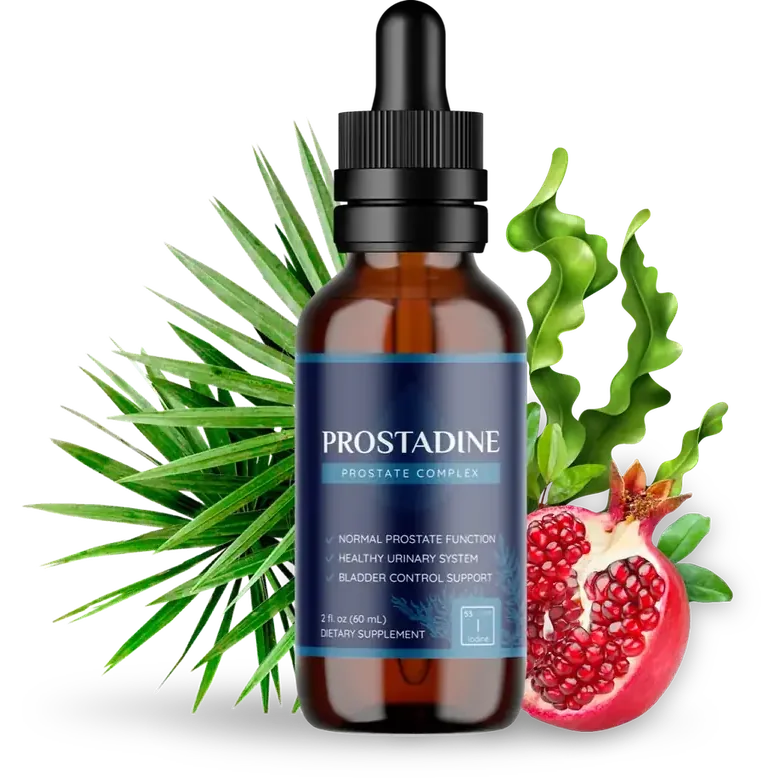
- Compare the bottle with the images on the label page: name, the three ticked lines, 2 fl oz (60 mL) and the iodine tile.
- Look for a lot number and expiry on the bottle or carton, and write it down.
- Check the seal and the dropper for damage, and note smell and colour on first opening.
- Keep the packing slip and order email for returns.
- Report any unexpected reaction to a clinician and, in the United States, to the FDA's MedWatch program.
These checks do not prove purity, but they show whether you received what was pictured. If anything differs, contact the seller at once and keep photos.
For the wider picture on legitimacy see the legit check, and for the standards we hold ourselves to see editorial standards.
- Iodine: Fact Sheet for Health Professionals. NIH Office of Dietary Supplements, 2024.RDA for adults is 150 mcg a day; the tolerable upper intake level is 1,100 mcg a day. Dried nori, 2 tablespoons of flakes (5 g): 116 mcg. Seaweeds range from 16 to 2,984 mcg per gram. High intakes can cause goiter, elevated TSH and hypothyroidism, and iodine-induced hyperthyroidism and thyroiditis. Interactions: antithyroid drugs (additive effect, hypothyroidism), and potassium iodide with ACE inhibitors or potassium-sparing diuretics (hyperkalemia risk).
- ATA Statement on the Potential Risks of Excess Iodine Ingestion and Exposure. American Thyroid Association, 2024.Iodine is needed for normal thyroid function (150 mcg a day for adults). Intake above 1,100 mcg a day is not recommended. Many iodine, potassium iodide and kelp supplements contain amounts far above the upper limit, by up to several thousand times. The ATA advises against taking iodine or kelp supplements that provide more than 500 mcg of iodine a day. Older adults, pregnant and breastfeeding women, infants and people with existing thyroid disease are more vulnerable.
- Registration of Food Facilities and Other Submissions. U.S. Food and Drug Administration, 2026.Registration is a legal requirement under the Bioterrorism Act (regulations effective December 12, 2003) and FSMA (2011) that involves submitting information and assuring FDA can inspect; it must be renewed every other year. The page never describes registration as an approval or certification of a facility.
- Information for Consumers on Using Dietary Supplements. U.S. Food and Drug Administration, 2026.FDA is not authorized to approve dietary supplements for safety and effectiveness before they are marketed. Firms can lawfully introduce supplements without notifying FDA. Talk to a doctor, pharmacist or other professional before buying or using a supplement.
FAQ07
Prostadine questions people ask
Is Prostadine third-party tested?
We have no evidence of it. The bottle shows no USP or NSF mark, and the certificate reference we were given has not been shown to us. Ask the seller for the document.
What does the lot number prove?
On its own, nothing. It lets the seller trace a batch. A test result for that lot, from a named laboratory, is what shows quality.
Does FDA registration mean the product is approved?
No. The FDA states that registering a facility is not approval, and supplements are not approved before sale.
What should I ask for before buying?
A Supplement Facts panel with amounts, the manufacturer, and a certificate of analysis for your lot that includes iodine, metals and microbes.
Who wrote this08
Written and reviewed by
Pages built from the bottle photos, the info page and linked NIH, FDA, NCI, FTC and peer-reviewed sources.
Last updated . Read our editorial standards and how we check reviews. This website is run by a licensed U.S. retail desk for Prostadine, not by the manufacturer. We earn money when you buy through our order links.
Keep reading
More about Prostadine


Licensed U.S. retail desk — Prostadine
Ready to try Prostadine?
Check your medicines first, then pick a pack. Three or six bottles ship free in the US and cost less per bottle, and every pack carries the 60-day money-back guarantee.
- Secure checkout
- 60-day money-back guarantee
- Ships from the U.S., free on 3 or 6