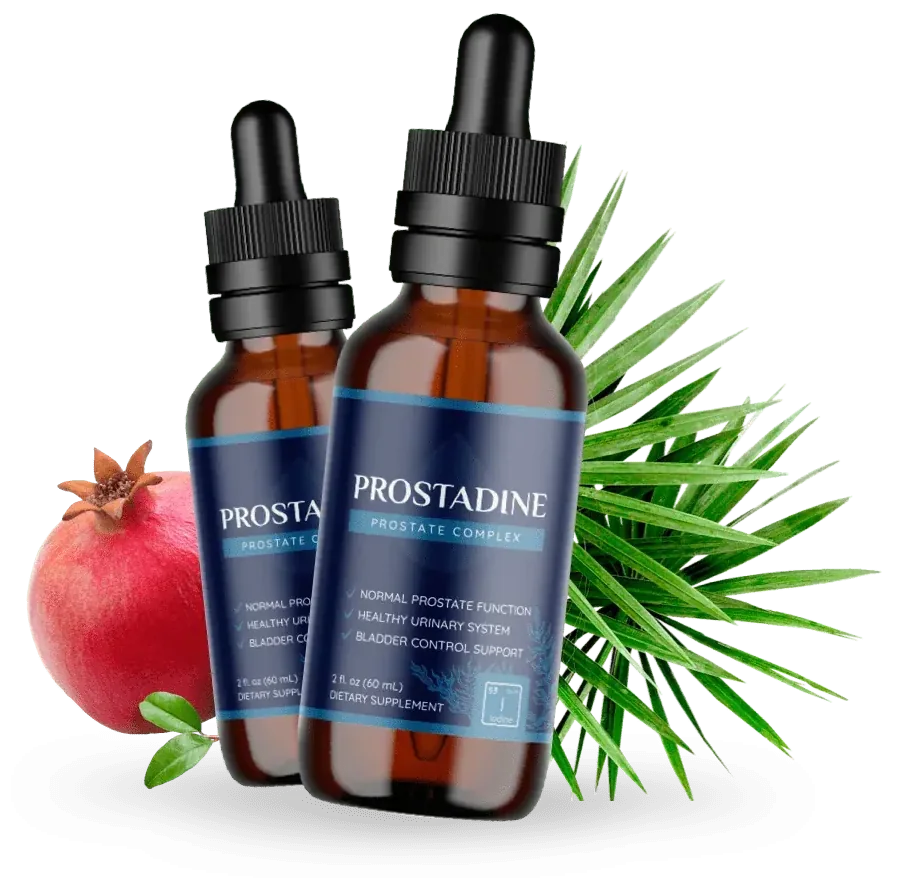
Blog
Supplement Versus Drug: What the Law Lets a Label Claim
In the United States, a dietary supplement may make structure and function claims such as supporting urinary health but may not claim to diagnose, treat, cure or prevent a disease. Supplements need no FDA approval before sale. The FTC also requires that health claims be backed by competent and reliable scientific evidence.
Written by the Prostadine label deskUpdated · 4 min read

The basics01
Two kinds of claim
A drug claim says a product treats or prevents a disease. That kind of claim requires approval by the FDA after trials. A structure and function claim describes an effect on the normal structure or function of the body, such as supporting joint comfort, and does not need prior approval (FDA, Using Dietary Supplements).
The line between the two can be thin in practice, which is where most disputes arise. A phrase about supporting a healthy prostate is permitted wording. A promise to shrink an enlarged prostate is a disease claim.
The evidence02
Allowed and not allowed wording, in plain terms
| Wording type | Example | Status |
|---|---|---|
| Structure and function | Supports urinary comfort | Allowed with a disclaimer |
| Disease treatment | Promises to treat an enlarged prostate | Not allowed for a supplement |
| Disease prevention | Promises to prevent prostate cancer | Not allowed |
| Quoted testimonial | I got up less at night | Still counts as a claim by the seller |
The numbers03
The familiar disclaimer
Supplement labels carry a sentence saying the statements have not been evaluated by the FDA and that the product is not intended to diagnose, treat, cure or prevent any disease (FDA, Using Dietary Supplements). It is a reminder that no regulator has checked the claim before sale.
If a page loudly offers a treatment and quietly adds this sentence in small print, the quiet sentence is the one that describes the legal status.
The catch04
The FTC and evidence
The Federal Trade Commission oversees advertising. Its guidance says that health claims need competent and reliable scientific evidence, and that the overall impression of an advert counts, not just each sentence (FTC, Health Products Compliance Guidance). A quote from a customer or a person with a title is still the seller speaking if the seller uses it.
Fake or undisclosed endorsements are a separate concern. The FTC rule on fake reviews took effect in 2024 (FTC, Rule banning fake reviews), and its guidance explains how to weigh reviews (FTC, Evaluate Online Reviews).
Safety05
Badges and registered facilities
A page may show FDA registered, GMP or doctor formulated badges next to a claim. Registration is a requirement for food facilities and does not equal approval (FDA, Food facility registration). A doctor formulated badge with no named doctor cannot be checked.
These details do not prove the product is bad. They show that a reader cannot lean on authority the page borrows.
What to do06
Reading a page with this in mind
- Mark each sentence that promises an effect on a disease.
- Ask who checked that sentence and how.
- Look for the disclaimer and compare its tone with the headline.
- Check whether named studies exist and match the product.
- Treat testimonials as the seller speaking.
Our legitimacy checklist puts these steps in order.
On the label07
What this means for you
The system relies on the buyer to read critically. If you want something that treats a disease, the route runs through a doctor and an approved medicine. If you want a supplement for general support, read the claim, the panel and the return terms, and keep expectations modest.
You can report a misleading claim to the FTC or the FDA if you believe a page crosses the line.
In practice08
A worked example
Take a page that says a formula supports prostate health and urinary flow, then shows a headline asking whether a cold drink triggers prostate trouble. The first sentence is the kind of wording the rules allow. The headline plants a cause, and the page then implies a fix. The overall impression is of a treatment for a disease, whatever the small print says.
To judge it, ask what the page would have to prove to stand behind the impression it creates: that the cause is real, that the product acts on it and that men improve compared with a placebo. The sources we hold support none of the three (NIDDK, Enlarged Prostate (BPH)) (Cochrane review, saw palmetto 2023).
That is the practical use of this law: it gives you a standard for the overall impression of the page and not just for each sentence.
The basics09
Outside the United States
Rules differ in Canada, the United Kingdom, Ireland, Australia and New Zealand. Some require product licences or listings, and some limit claims further. If you live outside the United States, check your own regulator before buying from a US site.
FAQ10
Prostadine questions people ask
Can a supplement claim to treat BPH?
No. A supplement may make structure and function claims but not claim to treat a disease.
What does not evaluated by the FDA mean?
That the agency has not checked the statement before the product was sold.
Is a testimonial a claim?
Yes. If the seller uses it, the seller is making the claim.
Who polices supplement advertising?
The FTC oversees advertising and the FDA oversees labeling and safety, acting mostly after sale.
Who wrote this11
Written and reviewed by
Pages built from the bottle photos, the info page and linked NIH, FDA, NCI, FTC and peer-reviewed sources.
Last updated . Read our editorial standards and how we check reviews. This website is run by a licensed U.S. retail desk for Prostadine, not by the manufacturer. We earn money when you buy through our order links.
Keep reading
More about Prostadine
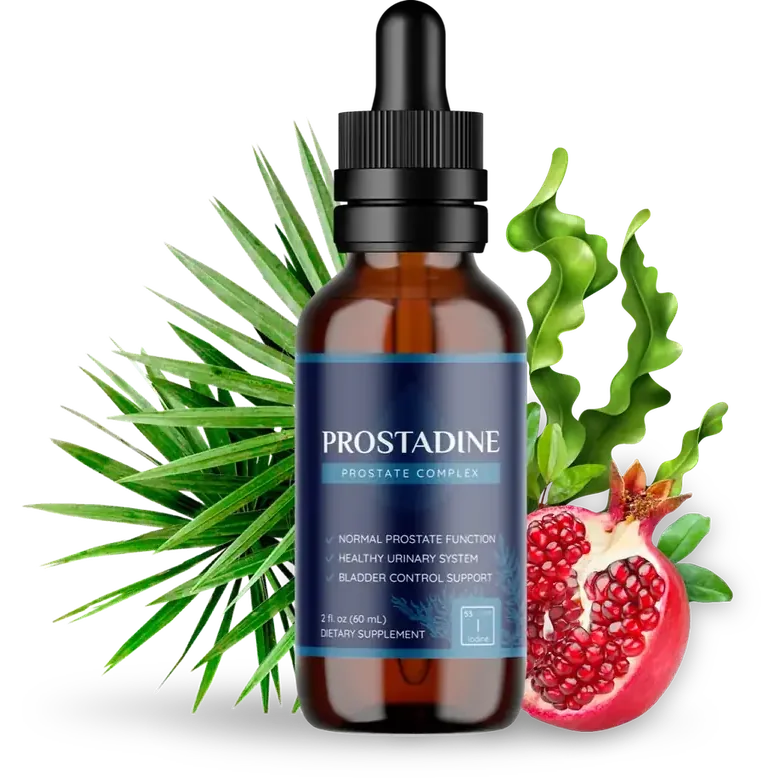
Licensed U.S. retail desk — Prostadine
Ready to try Prostadine?
Check your medicines first, then pick a pack. Three or six bottles ship free in the US and cost less per bottle, and every pack carries the 60-day money-back guarantee.
- Secure checkout
- 60-day money-back guarantee
- Ships from the U.S., free on 3 or 6