Blog
Nori and Wakame in a Supplement: Food Seaweeds in Drops
Nori and wakame are edible seaweeds, the first two ingredients on the Prostadine info page. Five grams of dried nori holds about 116 micrograms of iodine. No trial links either to prostate health, and the amounts in the drops are not printed.
Written by the Prostadine label deskUpdated · 4 min read
The basics01
What are nori and wakame?
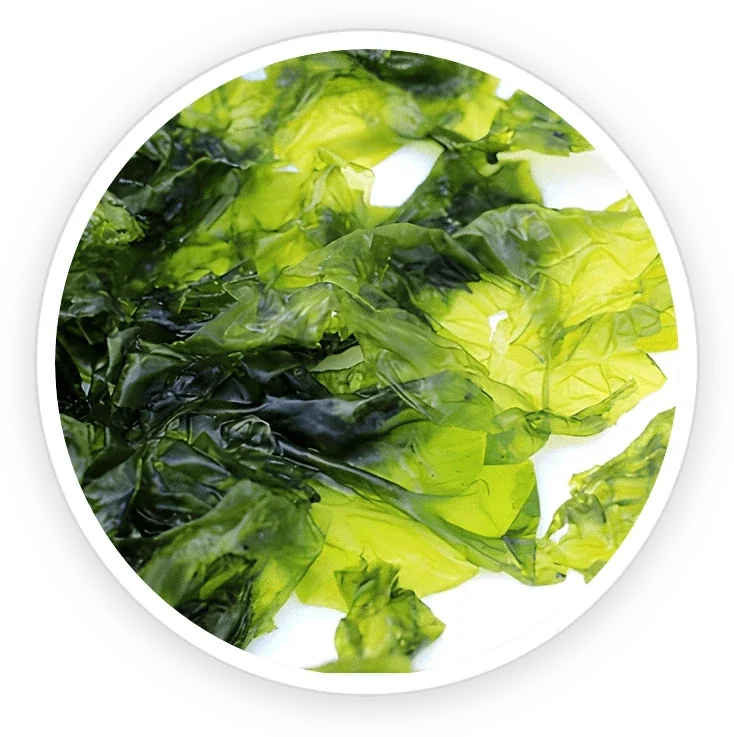
They are sea vegetables most people know from food. Nori is the dark sheet around sushi, and wakame is the silky green seaweed in miso soup.
Both are eaten in modest amounts in Japanese and Korean cooking, and both are valued for minerals, fibre and iodine. They head the Prostadine ingredient list, first and second.
Eating them in a meal is very different from taking an extract in a liquid, because a meal comes with a known weight and a food label.
The evidence02
How much iodine do they hold?
The NIH reports that 2 tablespoons of dried nori flakes, about 5 grams, hold 116 micrograms of iodine, which is most of an adult's 150 microgram daily need (NIH ODS, Iodine).
Wakame is also rich in iodine, and its levels vary by source and preparation. Seaweeds as a group range from 16 to 2,984 micrograms per gram, so the figure for any given batch can differ widely (NIH ODS, Iodine).
In a drop formula, the amount depends on how much extract is used, and that is the number the bottle does not print.
The numbers03
Eating versus drinking the extract
| Point | As food | In Prostadine |
|---|---|---|
| Weight known | Yes, on the pack | No |
| Iodine per portion | Often listed or estimated | Not printed |
| Sourcing named | Usually the country | Not stated |
| Combined with other iodine | Part of the diet | Four seaweeds plus iodine |
The catch04
Is there a prostate link?
We found no human trial of nori or wakame for the prostate or urinary symptoms. A case for them rests on general nutrition, not on a measured effect. On the NIDDK's reading, no link between diet or nutrition and the cause or prevention of an enlarged prostate has been found (NIDDK, Enlarged Prostate (BPH)).
That is not an attack on seaweed. It is a reminder that a food being healthy does not mean an extract of it treats a particular organ.
Safety05
How do you count your seaweed meals?
A small habit helps. Write down seaweed you eat over a week: sushi rolls, seaweed salad, miso soup with wakame, nori snacks. Each is small, but they add up, and a few portions a week plus a daily supplement can double the intake.
Nori snacks are the easiest to overlook, since a snack pack is light and tastes mild. At 116 micrograms per 5 grams (NIH ODS, Iodine), two packs can match a full day's need. That is fine for most people on its own and worth knowing when other sources are in the mix.
Share the note with your doctor if a thyroid test is planned. It helps them read the result.
What to do06
What to ask the seller
Ask which species and country each seaweed comes from, how much of each goes into a serving and what the total iodine per serving is. Ask whether the seaweeds are tested for arsenic and other metals.
A response with numbers lets your doctor judge fit. A response without numbers still tells you something, since a maker with good data usually shares it.
If you eat sushi or seaweed salad often, tell your doctor. Dietary seaweed adds to the iodine total.
On the label07
What it means for the drops
Nori and wakame are the gentlest of the four seaweeds on the list, and they still add iodine. See the nori and wakame page for their profile. For the thyroid view, read iodine and thyroid.
If you enjoy them as food, that is a fine habit with a known portion. The drops are another matter, because the dose is hidden.
FAQ08
Prostadine questions people ask
Is nori high in iodine?
Yes. The NIH gives 116 micrograms for 2 tablespoons (about 5 g) of dried nori flakes, which is most of an adult's daily need of 150 micrograms.
Is wakame the same as nori?
No. Nori is a red alga pressed into sheets, while wakame is a brown seaweed eaten in soups and salads. Both are rich in iodine and both appear in the formula.
Do nori and wakame help the prostate?
No trial we hold shows that. They are nutritious foods, but the NIDDK has not linked diet or nutrition to causing or preventing an enlarged prostate.
Should I avoid sushi while taking Prostadine?
You do not have to, but count it. Seaweed in sushi adds iodine, and the bottle's iodine is unknown. Tell your doctor if you eat it often.
Who wrote this09
Written and reviewed by
Pages built from the bottle photos, the info page and linked NIH, FDA, NCI, FTC and peer-reviewed sources.
Last updated . Read our editorial standards and how we check reviews. This website is run by a licensed U.S. retail desk for Prostadine, not by the manufacturer. We earn money when you buy through our order links.
Keep reading
More about Prostadine

Licensed U.S. retail desk — Prostadine
Ready to try Prostadine?
Check your medicines first, then pick a pack. Three or six bottles ship free in the US and cost less per bottle, and every pack carries the 60-day money-back guarantee.
- Secure checkout
- 60-day money-back guarantee
- Ships from the U.S., free on 3 or 6