Blog
Saw Palmetto for BPH: What the Trials Found
A 2023 Cochrane review pooled 27 randomized trials with 4,656 men and found that saw palmetto alone gives little or no benefit for urinary symptoms of an enlarged prostate. NCCIH calls it probably not helpful. Side effects matched placebo, so it looks low-risk but not useful.
Written by the Prostadine label deskUpdated · 4 min read
The basics01
What is saw palmetto and why is it in the bottle?
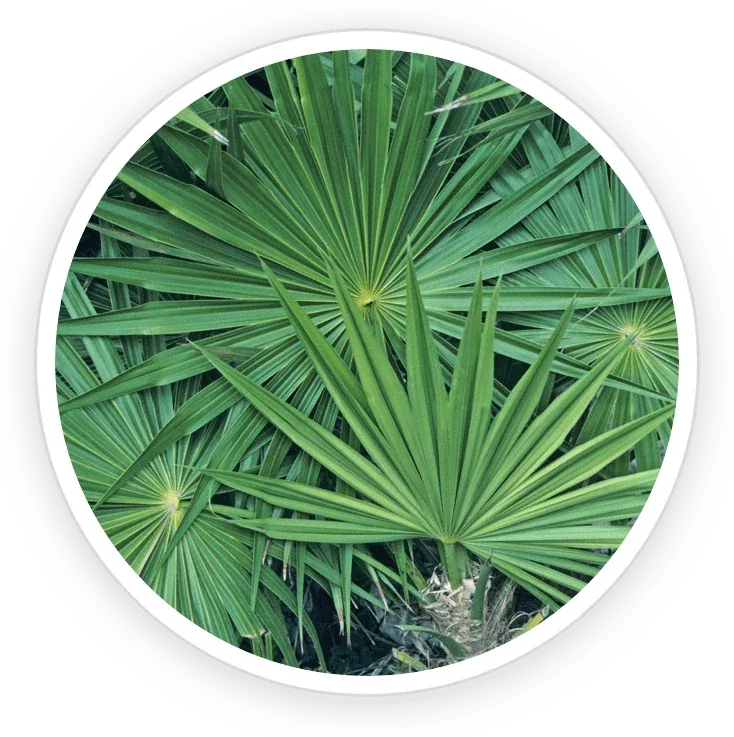
Saw palmetto is the berry of a small palm native to the south-eastern United States. Extracts of it are the best-known herbal product for prostate symptoms.
It is the fifth ingredient on the info page, and it is the reason many men pick a prostate supplement. That makes its evidence the single most relevant piece of research for the product.
The evidence is mostly negative, and a fair account has to begin there.
The evidence02
What did the 2023 Cochrane review find?
The review searched to September 2022 and pooled 27 randomized trials with 4,656 men. Nineteen tested saw palmetto alone against placebo, and eight tested combination herbal products (Cochrane review, saw palmetto 2023).
Its conclusion was that saw palmetto alone provides little to no benefit for lower urinary tract symptoms from an enlarged prostate. Adverse events were about the same as placebo. The reviewers were less certain about combination products.
That last point matters, because Prostadine is a combination product. The review cannot say it works, and it cannot say it fails. It says the evidence for the best-known ingredient on its own is weak.
The numbers03
What did the big NIH-funded trials show?
| Trial | Men | Dose and length | Result |
|---|---|---|---|
| NEJM 2006 | 225, aged 50 or older | 320 mg a day for one year | No difference from placebo on the AUA Symptom Index (Bent et al., NEJM 2006) |
| CAMUS, JAMA 2011 | 369 | 320 mg raised stepwise to 960 mg, 72 weeks | No better than placebo (Bent et al., NEJM 2006) |
NCCIH sums these up: two NIH-funded trials, one at a standard dose and one at up to three times that dose, did not improve symptoms (NCCIH, Saw Palmetto).
The catch04
Is there any case in its favour?
MSK reports conflicting data, with some trials showing improvement and others none (MSK, Saw Palmetto). Older, smaller and less well-controlled studies tended to look better, which is a common pattern. Better-designed trials, with larger groups and a placebo, tended to look worse.
Some men feel better on it, and that can be real, partly through the natural swings of symptoms. A trial's job is to separate that from the effect of the herb, and the herb has mostly not survived that test.
Safety05
Is it safe?
It appears well tolerated. NCCIH reports saw palmetto was well tolerated in studies up to three years, with mild digestive symptoms, dizziness and headache (NCCIH, Saw Palmetto). MSK lists stomach upset, diarrhea, fatigue, headache, reduced libido and rhinitis, plus case reports of bleeding, liver damage and pancreatitis (MSK, Saw Palmetto).
It may be unsafe in pregnancy and breastfeeding. It did not change PSA more than placebo, which means it is unlikely to mask a screening result, but tell your doctor you take it.
What to do06
What are the limits of these findings?
Reviews and trials cover a certain kind of man: usually aged 50 or older, with moderate symptoms, in a clinical setting, taking a standardised extract. A man with milder symptoms, a different age or a different product cannot assume the same result, positive or negative.
The absence of benefit in trials is also not proof that no man ever benefits. It means that on average, against placebo, the herb did not show a difference in the main symptom score. That is a high bar, and the right one for a product sold for symptoms.
Keep both points in view. The evidence is weak, and it is not a reason to fear the herb, which looks safe. It is a reason to spend money carefully and to keep a doctor involved in a problem that can have treatable causes.
On the label07
What does this mean for the Prostadine bottle?
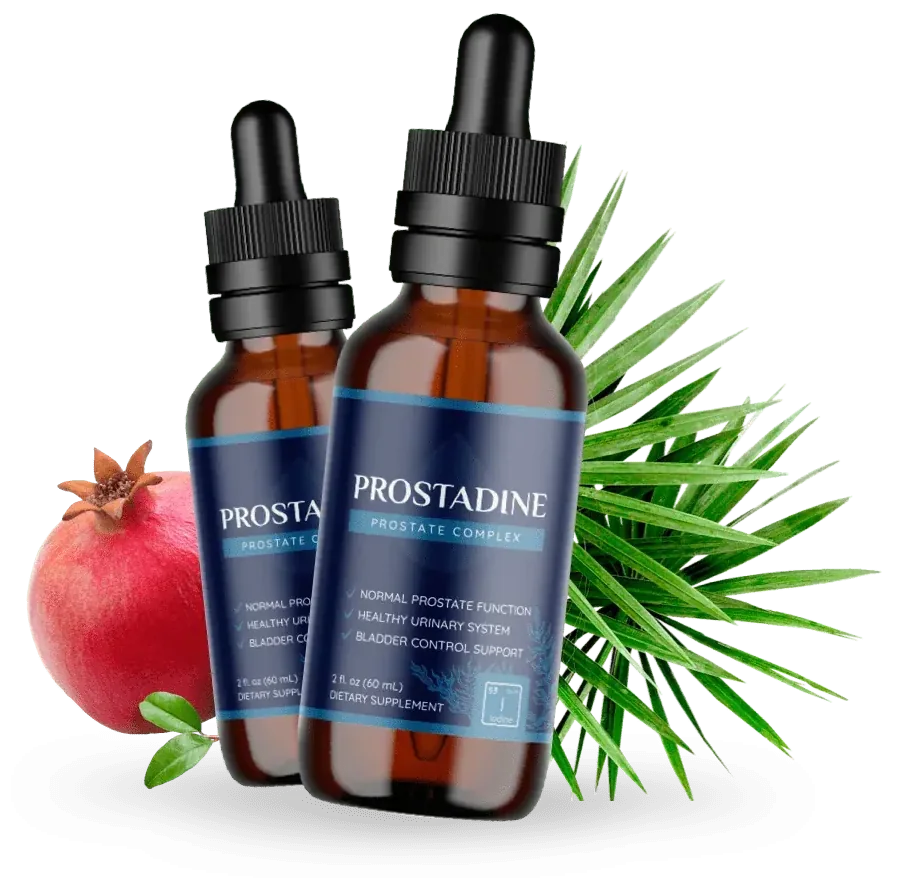
It means the headline herb has little support, and the amount in the bottle is not printed, so the trial doses of 320 mg and above cannot be compared with it. See the saw palmetto page for more.
If you want a symptom plan with stronger evidence, ask a doctor about options with trial data, and use the free habits in our habits guide.
FAQ08
Prostadine questions people ask
Does saw palmetto shrink the prostate?
No source shows that. The 2023 Cochrane review found little or no benefit for urinary symptoms, and it did not report prostate shrinkage as an effect.
How much saw palmetto was used in the trials?
The NEJM trial used 320 mg a day of extract. CAMUS raised it from 320 mg to 960 mg. Neither beat placebo. Prostadine does not print its amount.
Is saw palmetto safe to take with blood thinners?
MSK lists case reports of bleeding, including with rivaroxaban. If you take a blood thinner, ask your doctor or pharmacist before using any saw palmetto product.
Why do some men say saw palmetto worked for them?
Symptoms naturally rise and fall, and people start products at their worst. Placebo-controlled trials remove that effect, and in those the herb has mostly not beaten placebo.
Who wrote this09
Written and reviewed by
Pages built from the bottle photos, the info page and linked NIH, FDA, NCI, FTC and peer-reviewed sources.
Last updated . Read our editorial standards and how we check reviews. This website is run by a licensed U.S. retail desk for Prostadine, not by the manufacturer. We earn money when you buy through our order links.
Keep reading
More about Prostadine
Licensed U.S. retail desk — Prostadine
Ready to try Prostadine?
Check your medicines first, then pick a pack. Three or six bottles ship free in the US and cost less per bottle, and every pack carries the 60-day money-back guarantee.
- Secure checkout
- 60-day money-back guarantee
- Ships from the U.S., free on 3 or 6