Blog
Seaweed Supplements and Heavy Metals: What Testing Should Show
Seaweeds absorb minerals from sea water, and MSK warns that bladderwrack from polluted waters may contain arsenic, cadmium and mercury. Prostadine lists four seaweeds and shilajit and states no test results. A lab report for your lot, covering metals, is the document to ask for.
Written by the Prostadine label deskUpdated · 4 min read
The basics01
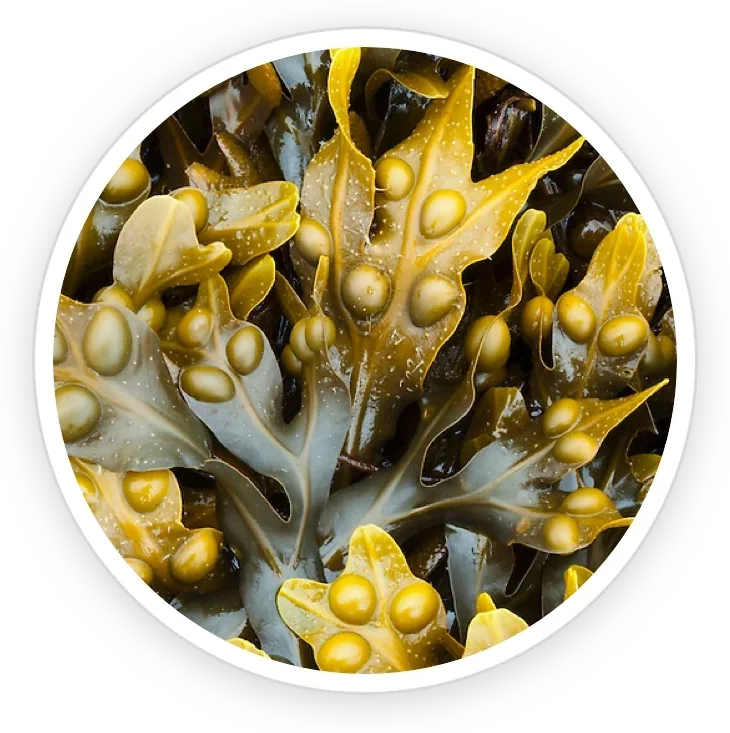
Why do seaweeds carry metals?
Because they live in water and take up dissolved minerals, wanted and unwanted alike.
Iodine is one of the wanted ones. Arsenic, cadmium, lead and mercury are the unwanted ones, and their levels depend on where and when the plant was harvested. Memorial Sloan Kettering notes that bladderwrack from polluted waters may contain arsenic, cadmium and mercury (MSK, Bladder wrack).
The same logic applies to any sea plant, and to mineral resins such as shilajit, which come from rock and can carry their own metals unless purified.
The evidence02
Which metals, and why they matter
| Metal | Why it is tested |
|---|---|
| Lead | Harms nerves and kidneys; no safe level known |
| Arsenic | Inorganic forms are linked to cancer and skin changes |
| Cadmium | Accumulates in the kidneys |
| Mercury | Harms the nervous system |
These are general toxicology facts, not findings about Prostadine, for which we hold no test results.
The numbers03
Does a daily dose matter?
Yes, because small amounts add up over weeks and months. A trace that is harmless once can matter when taken daily for a year. Metals leave the body slowly, and the kidneys carry much of the load, which is why people with kidney disease are advised to be careful with unregulated supplements.
The usual tools are a test on each lot and a limit per daily serving. A certificate that reports the metal results beside the limit is what an informed buyer looks for.
The catch04
Who checks supplements for metals?
The maker is responsible. The FDA does not approve supplements before sale and acts after a problem appears (FDA, Using Dietary Supplements). Good manufacturing practice rules require testing of identity, purity and composition, but a buyer cannot see the results unless the company shares them.
Third-party programs such as USP and NSF verify limits for contaminants and publish lists. We found no such mark on the Prostadine bottle, and the seller's certificate reference has not been shown to us. See our testing page.
Safety05
What to ask the seller
- Is each lot tested for lead, arsenic, cadmium and mercury?
- Which laboratory runs the tests, and by what method?
- Can I see the certificate for the lot I will receive?
- What are the results, compared with a stated limit?
If the seller will not share a metals result, take that into account. It is not proof of a problem, but it leaves the question open.
What to do06
What do the limits look like in practice?
Regulators and testing programs set limits per daily serving for each metal, and a reputable certificate shows the result next to the limit. For example, a result of a few parts per billion against a limit of many more reads as clean, while a result near or above the limit does not. Without the limit, a bare number is hard to judge.
Some seaweeds, notably hijiki, are known for high inorganic arsenic, and food agencies in several countries advise limiting them. Whether the species in a given supplement are of that kind is part of what a buyer can ask.
Detection limits matter too. A report that says not detected should state the limit of detection, so a reader knows how small a trace the test could have seen.
On the label07
How can you reduce the risk?
Choose products that show a lab report or a third-party mark. Avoid very large doses of any single sea plant. Vary your diet, and do not rely on a single seaweed for iodine, since iodised salt and dairy cover most needs (ATA, Iodine deficiency).
If you have kidney disease, are pregnant or are giving a supplement to a child, ask a clinician first. These groups are more affected by contaminants.
FAQ08
Prostadine questions people ask
Do seaweeds contain heavy metals?
They can, depending on where they grow. MSK warns that bladderwrack from polluted waters may contain arsenic, cadmium and mercury. Batch testing is the check.
Is a certificate of analysis the same as a lab report?
A certificate of analysis is the lab report for a given lot. It should name the lab, the method, the date and the result for each test.
How do I know if Prostadine is tested for metals?
We cannot confirm it. We have not seen a certificate. Ask the seller for the lot certificate and check that it lists lead, arsenic, cadmium and mercury.
Is shilajit tested for metals?
Purified shilajit should be, since raw resin can carry metals. The label does not describe purification, so ask the seller for the process and the test results.
Who wrote this09
Written and reviewed by
Pages built from the bottle photos, the info page and linked NIH, FDA, NCI, FTC and peer-reviewed sources.
Last updated . Read our editorial standards and how we check reviews. This website is run by a licensed U.S. retail desk for Prostadine, not by the manufacturer. We earn money when you buy through our order links.
Keep reading
More about Prostadine

Licensed U.S. retail desk — Prostadine
Ready to try Prostadine?
Check your medicines first, then pick a pack. Three or six bottles ship free in the US and cost less per bottle, and every pack carries the 60-day money-back guarantee.
- Secure checkout
- 60-day money-back guarantee
- Ships from the U.S., free on 3 or 6