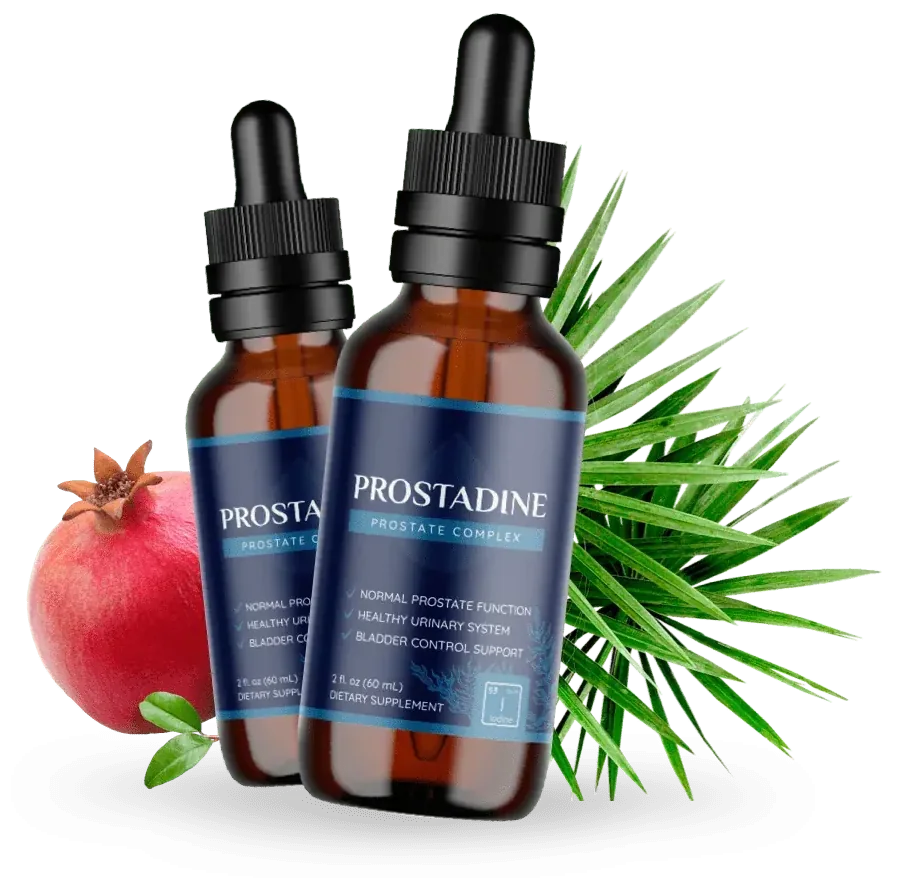
Blog
Third-Party Testing Seals: What They Do and Do Not Prove
A third-party seal means an outside group tested or audited something, such as identity, strength or contaminants, but not that the product works. A certificate of analysis for your lot number is more useful than a logo. FDA facility registration and GMP badges describe sites and processes and are not product approval.
Written by the Prostadine label deskUpdated · 4 min read

The basics01
What a seal can mean
Several independent organisations test supplements for identity, strength, purity and contaminants, and allow a product to carry a mark. The scope differs. One may confirm that the label matches the contents. Another may check for heavy metals. A third may audit the factory and not test a single bottle.
So the useful question is not whether a seal is present but what exactly it covers and whether you can verify it.
The evidence02
Badges and what they cover
| Badge | What it generally describes |
|---|---|
| FDA registered facility | The site is registered; the product is not approved (FDA, Food facility registration) |
| GMP | Manufacturing practice at a site |
| Made in USA | Where it was made, not how good it is |
| Third-party tested | Depends entirely on who tested what |
| Natural, non-GMO, gluten free | Ingredient claims, checked or not |
The numbers03
The certificate of analysis
A certificate of analysis, or CoA, reports test results for a specific lot. It should name the lab, the test methods, the date, the lot number and the results against limits. It is the most direct evidence a buyer can ask for.
Be careful with a CoA that has no lot number, no lab name or a number that does not match your bottle. A reference quoted by a seller but not shown is a claim, not evidence. For the brand reviewed on this site, we list the reference as unverified for exactly that reason.
The catch04
Registered is not approved
The FDA says registration of a food facility is required for places that make, process, pack or hold food, including supplements, and that it does not mean the agency approved the facility or its products (FDA, Food facility registration). Many pages show a registered badge near a claim to suggest approval. The badge does not say that.
Our testing and quality page looks at what is shown and what is not for the brand we review.
Safety05
What no seal can prove
No seal proves that an ingredient reduces symptoms. A pure, correctly labeled product can still do nothing for urinary symptoms, as the saw palmetto trials show (Cochrane review, saw palmetto 2023). Quality control tells you what is in the bottle, not whether it helps.
So treat testing as the floor and evidence as the roof. You need both.
What to do06
How to verify
- Find the seal on the product page and click through to the certifier.
- Search the certifier database for the exact product name.
- Ask for the CoA for your lot, with the lot number.
- Check the lot number on the bottle against the certificate.
- Note the date: a certificate older than the batch is not for it.
If any step fails, the seal is decoration.
On the label07
Why contaminants matter for seaweed
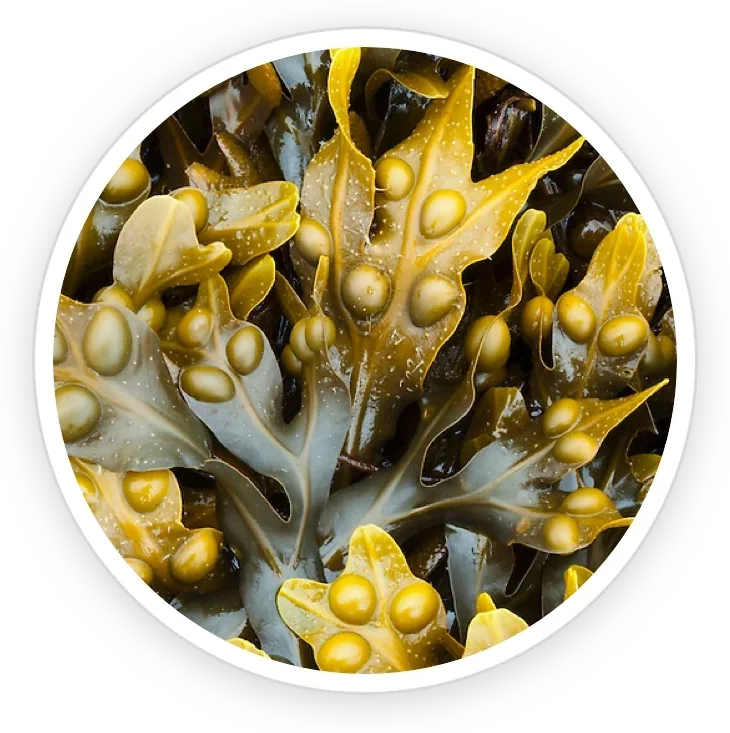
Seaweed can take up arsenic, cadmium and lead from water. Testing for heavy metals is therefore more important for seaweed-based products than for many others. A product that names four seaweeds should show metal results on its CoA (NIH ODS, Iodine).
If a maker claims testing but will not share results, weigh that heavily.
In practice08
Who runs the tests
Some programs are run by non-profit standards bodies, some by commercial labs paid by the maker and some by trade groups. None is automatically better, but the funding and independence of the tester are fair questions. A lab that tests every lot and publishes results is more informative than a one-off audit.
Ask whether the test was on the finished product or only on a raw ingredient. A clean raw material can be mixed or stored badly, and the final bottle is what you swallow. Ask also whether the test covers the specific lot printed on your bottle, since each lot can differ.
If a seller cannot say who ran the test, treat the claim as marketing and not as evidence.
The basics09
What to do next
When you see a badge, ask what it covers. When you see a certificate, check the lot. When you see neither, treat purity as unknown. The legitimacy checklist puts this in context.
FAQ10
Prostadine questions people ask
Does a third-party seal mean a supplement works?
No. It indicates testing or auditing of some kind, not benefit for any condition.
What is a certificate of analysis?
A lab report for a specific lot, listing tests, methods, dates and results.
Does FDA registered mean FDA approved?
No. The FDA says registration does not mean approval of the facility or its products.
How can I check a lot number?
Compare the number on your bottle with the certificate and ask the seller or lab to confirm.
Who wrote this11
Written and reviewed by
Pages built from the bottle photos, the info page and linked NIH, FDA, NCI, FTC and peer-reviewed sources.
Last updated . Read our editorial standards and how we check reviews. This website is run by a licensed U.S. retail desk for Prostadine, not by the manufacturer. We earn money when you buy through our order links.
Keep reading
More about Prostadine
Licensed U.S. retail desk — Prostadine
Ready to try Prostadine?
Check your medicines first, then pick a pack. Three or six bottles ship free in the US and cost less per bottle, and every pack carries the 60-day money-back guarantee.
- Secure checkout
- 60-day money-back guarantee
- Ships from the U.S., free on 3 or 6