Blog
What Iodine Does in the Body, and Why It Matters Here
Iodine is a mineral the thyroid needs to make hormones. Adults need 150 micrograms a day and should not exceed 1,100 micrograms. Prostadine lists four seaweeds and iodine itself with no amounts, so iodine is the first safety question for anyone with a thyroid condition.
Written by the Prostadine label deskUpdated · 4 min read

The basics01
What does iodine do?
The thyroid gland, at the base of the neck, uses iodine to make thyroid hormones. Those hormones help set the pace of the body's metabolism, and they matter for heart rate, body temperature, energy and mood.
The body cannot make iodine. It must come from food, such as iodised salt, dairy products, eggs, saltwater fish and shellfish, and sea vegetables such as kelp, kombu and nori (ATA, Iodine deficiency).
Too little causes goiter and an underactive thyroid. The American Thyroid Association notes that deficiency is a recognised problem, and also that the opposite problem exists.
The evidence02
How much is too much?
| Figure | Amount |
|---|---|
| Daily need (RDA) | 150 micrograms |
| Upper limit | 1,100 micrograms |
| Level the ATA advises against in supplements | Above 500 micrograms |
| Nori, 2 tablespoons of flakes (5 g) | 116 micrograms |
| Seaweeds, range per gram | 16 to 2,984 micrograms |
Those figures come from the NIH Office of Dietary Supplements and the American Thyroid Association (NIH ODS, Iodine)(ATA, Excess iodine). The range for seaweed is the key one: a gram of one seaweed can hold nearly 200 times as much iodine as a gram of another.
The numbers03
What does excess iodine do?
High intakes can cause goiter, raised TSH and an underactive thyroid, and in some people an overactive thyroid or thyroid inflammation (NIH ODS, Iodine). The ATA warns that many iodine, potassium iodide and kelp supplements hold amounts far above the upper limit, up to several thousand times in some cases (ATA, Excess iodine).
The groups at greatest risk include older adults, pregnant and breastfeeding women, infants and people who already have thyroid disease. A healthy thyroid copes with a wide range of intake, but it does not always cope with a very large one.
The catch04
Why does the bottle make iodine the first question?
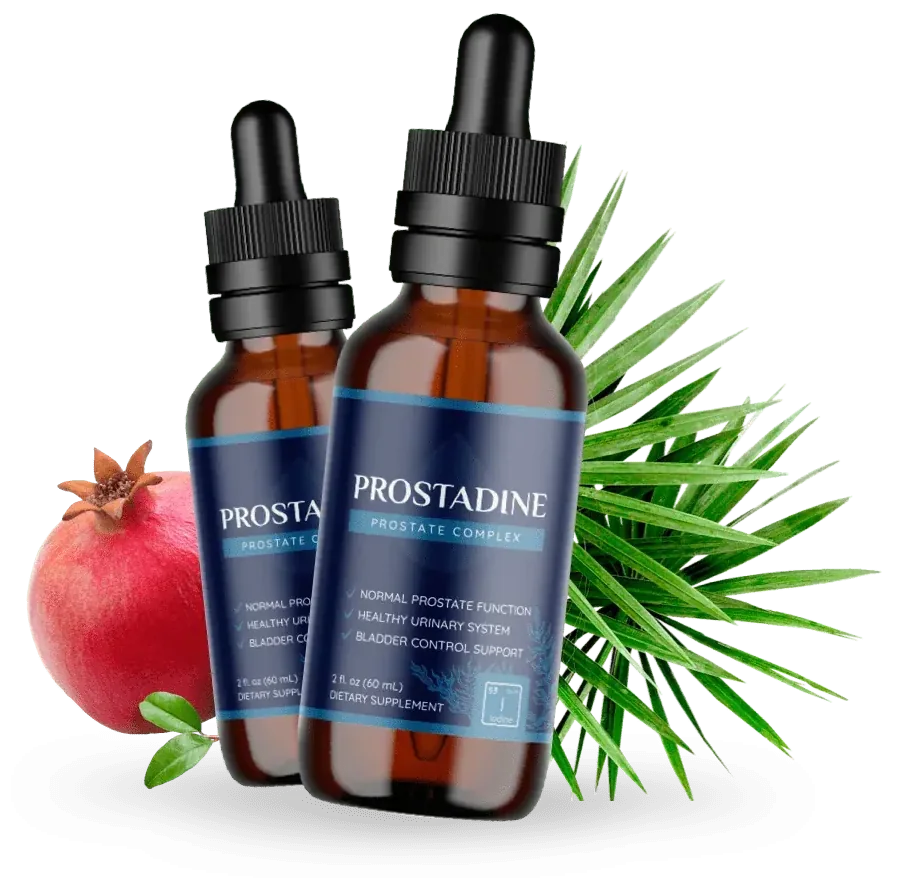
Because five of nine lines are iodine sources: nori, wakame, kelp and bladderwrack are seaweeds, and iodine is listed on its own. The front of the bottle carries an iodine tile, so the seller treats it as a selling point.
With no Supplement Facts panel, the amount per serving is unknown. A person might get 100 micrograms or several thousand, and the label does not tell them. For someone with a healthy thyroid the risk is probably small. For someone with thyroid disease, or taking thyroid medicine, the unknown is the problem.
Safety05
Which medicines interact with iodine?
Antithyroid drugs can have an additive effect with iodine and cause an underactive thyroid. Potassium iodide can raise potassium levels when combined with ACE inhibitors or potassium-sparing diuretics (NIH ODS, Iodine). If you take any of those, ask your doctor before starting an iodine-rich product.
Request iodine in micrograms per 2 mL serving from the seller. It is the single most useful figure for a doctor.
What to do06
How can you estimate your own total?
Our iodine and thyroid page has a ceiling calculator that runs in your browser. It does not guess the bottle's iodine, which is unknown, but it shows how much room your diet and any other supplement leave under the 1,100 microgram limit.
A short food note helps too. If you eat sushi, seaweed salad or kelp noodles often, tell your doctor, since a single serving can carry a large share of the day's iodine.
FAQ07
Prostadine questions people ask
How much iodine do adults need?
The RDA is 150 micrograms a day. The tolerable upper limit is 1,100 micrograms a day. Pregnancy and breastfeeding raise the need, and a doctor can advise on both.
Is there iodine in Prostadine?
Yes, listed by name and in four seaweeds. The bottle prints no amount, so the iodine per serving is unknown. The front shows an iodine tile with the number 53.
Can too much iodine cause a thyroid problem?
Yes. High intake is linked to goiter, raised TSH, underactive thyroid and overactive thyroid. People with thyroid disease and older adults are at higher risk.
Does iodised salt count toward the daily limit?
Yes. Iodised salt, dairy, eggs and fish all add iodine. That is why the total from food plus supplements matters more than any one source.
Who wrote this08
Written and reviewed by
Pages built from the bottle photos, the info page and linked NIH, FDA, NCI, FTC and peer-reviewed sources.
Last updated . Read our editorial standards and how we check reviews. This website is run by a licensed U.S. retail desk for Prostadine, not by the manufacturer. We earn money when you buy through our order links.
Keep reading
More about Prostadine
Licensed U.S. retail desk — Prostadine
Ready to try Prostadine?
Check your medicines first, then pick a pack. Three or six bottles ship free in the US and cost less per bottle, and every pack carries the 60-day money-back guarantee.
- Secure checkout
- 60-day money-back guarantee
- Ships from the U.S., free on 3 or 6