Learn
Doctor Visit Guide: How to Prepare for an Appointment About Urinary Symptoms
Bring your symptom score, a night-time count, every medicine and supplement you take (including Prostadine if you use it), and your questions. Expect questions about timing, flow, fluids, medicines and family history, and possibly urine and blood tests. Raise any supplement openly, since doctors need the full list to decide safely.
Written by the Prostadine label deskUpdated
Why go01
Why a visit comes before a purchase
Urinary symptoms have many causes, and the cause decides the treatment. An appointment is the fastest way to find out which one you have.
The NIDDK says symptoms of BPH include trouble starting a stream, a weak or interrupted stream, night-time urination and urgency, and that severity does not always match prostate size (NIDDK, Enlarged Prostate (BPH)). Those same symptoms can come from an infection, a medicine, diabetes or a bladder problem, which a clinician can sort out by asking questions and doing simple tests.
Many men put the visit off, partly from embarrassment and partly from a hope that something over the counter will fix it. A good appointment is short and practical. This guide helps you make it so.
Preparation02
What to bring
| Bring | Why it helps |
|---|---|
| Your symptom score and the date (see the symptom check) | Gives a starting number the doctor can compare later (Urology Care Foundation, BPH) |
| A night-time count for a typical week | One of the clearest measures of how much symptoms intrude |
| A list of every medicine, vitamin and supplement, with doses | Some medicines and supplements affect urination or interact |
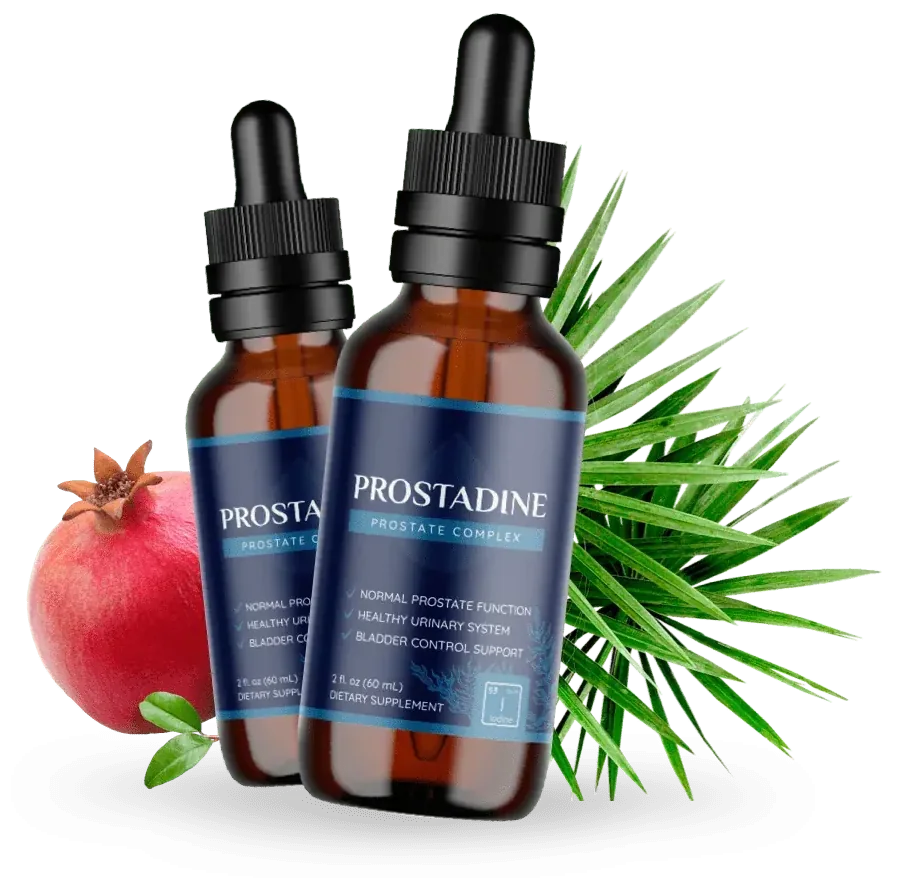
| The Prostadine bottle or a photo of it, if you use it | The formula includes four seaweeds and iodine itself; the doctor may want to check your thyroid (NIH ODS, Iodine) |
| A note of drinks: coffee, alcohol, evening fluids | Fluids change frequency and night trips |
| Family history of prostate or urinary problems | Helps the doctor judge risk |
| Your questions, written down | Appointments are short and questions slip away |
What you may be asked03
What the doctor is likely to ask, and do
The questions are routine. Expect to be asked how long the symptoms have lasted, how strong the stream is, how often you go by day and night, whether you strain or feel the bladder is not empty, whether there is pain, blood or fever, and what medicines you take. The Urology Care Foundation says doctors often begin with the AUA Symptom Index questionnaire (Urology Care Foundation, BPH).
Depending on what you say, they may suggest a urine test to look for infection or blood, an examination, a blood test for kidney function or PSA, or a referral to a urologist. The PSA decision has its own trade-offs, set out on the PSA page (USPSTF, Prostate cancer screening). You are allowed to say you want time to think about it.

Prostadine: from $49 a bottle60 mL · 2 mL a day · free US shipping on 3 or 6 · 60-day money-back guarantee
See packsYour questions04
Twelve questions worth asking
What do you think is causing my symptoms?
Ask for the most likely cause and the next most likely.
What tests do I need, and why?
Ask what each test could show and what you would do with the result.
Is my score mild, moderate or severe?
Bring your own score to compare (Urology Care Foundation, BPH).
Is watchful waiting reasonable for me?
The NIDDK lists watchful waiting as an option for BPH (NIDDK, Enlarged Prostate (BPH)).
Would a medicine help, and what are its side effects?
Ask about alpha blockers and 5-alpha reductase inhibitors (MedlinePlus, Tamsulosin) (MedlinePlus, Finasteride).
How will any medicine affect my PSA?
Finasteride and dutasteride lower it (NCI, PSA test).
Do I have signs that need urgent attention?
Ask what would make you call or go in at once.
Do my current medicines affect urination?
Ask whether any should be reviewed by the prescriber.
Is it safe for me to take a supplement?
Name it, show the bottle and ask about your medicines and thyroid.
Should my thyroid be checked?
Relevant if you take seaweed or iodine products (NIH ODS, Iodine).
What can I change at home?
Fluids, caffeine, timing of drinks and exercise are common topics.
When should I come back?
Agree a date and what to bring then.
Raising a supplement05
How to bring up Prostadine, plainly
Some men hold back from mentioning a supplement for fear of a lecture. A doctor needs the full list to decide safely, and most have heard far stranger. A simple sentence is enough: “I have been thinking of taking, or have started, a supplement called Prostadine. It has nine ingredients, including four seaweeds, iodine, saw palmetto, pomegranate and neem. I have brought the bottle.”
Then ask the two questions that matter: does anything in it clash with my medicines, and should I have my thyroid checked. If the doctor advises against it, ask why, and consider using the 60-day window to return it. If the doctor is relaxed about it, ask how you will judge whether it helps, and agree a date to review, which the results timeline can anchor.
After the visit, write down what was said, update your medicine list and book the follow-up. The note is as useful as the visit, and next time it saves you from trying to remember what the doctor said about the thyroid, the medicines or the follow-up.
- Enlarged Prostate (Benign Prostatic Hyperplasia). National Institute of Diabetes and Digestive and Kidney Diseases (NIH), 2024.BPH is a benign enlargement; it affects 5% to 6% of men ages 40 to 64 and 29% to 33% of those 65 and older. Scientists do not fully know why it occurs; aging and hormone changes are suspected. Researchers have not linked diet or nutrition to causing or preventing BPH. Symptoms include trouble starting a stream, weak or interrupted stream, nighttime urination and urgency, and symptom severity does not always match prostate size. Seek care right away if you cannot urinate at all, have painful urgent urination with fever and chills, see blood in the urine, or have significant lower abdominal or urinary tract pain. Treatments: watchful waiting, alpha blockers, 5-alpha reductase inhibitors, procedures and surgery. The page does not mention supplements.
- Prostate Cancer: Screening (Final Recommendation Statement). U.S. Preventive Services Task Force, 2018.Men 55 to 69: Grade C, screening with PSA is an individual decision after discussing benefits and harms with a clinician. Men 70 and older: Grade D, recommends against. Harms include false positives, biopsy complications, overdiagnosis and overtreatment. An update is in progress.
- Benign Prostatic Hyperplasia (BPH): Symptoms, Diagnosis & Treatment. Urology Care Foundation (American Urological Association), 2024.Doctors often start with a symptom questionnaire, the AUA Symptom Score Index, also called the International Prostate Symptom Score (IPSS), to rate symptoms as mild, moderate or severe. Mild cases may need only monitoring; other options are prescription drugs, office procedures and surgery. A balanced diet rich in fruits and vegetables, weight loss and staying active may help. Check with a health care provider before starting or stopping treatments or supplements. Seek care promptly for blood in the urine, pain or burning, or inability to pass urine.
- Using Dietary Supplements Wisely. National Center for Complementary and Integrative Health (NIH), 2019.The FDA is not authorized to review dietary supplements for safety and effectiveness before they are sold. Supplements can interact with prescription and over-the-counter medicines and can be risky with some conditions. Tell all your health care providers about every supplement you use.
FAQ06
Prostadine questions people ask
Who should I see about urinary symptoms?
Start with your primary care doctor, who can examine you, order simple tests and refer you to a urologist if needed. Go urgently for blood in the urine, an inability to pass urine, or painful urination with fever (NIDDK, Enlarged Prostate (BPH)).
Will my doctor mind if I take a supplement?
Doctors ask about supplements routinely. Bring the bottle or a photo and say what it contains, because iodine, saw palmetto and others can matter for your medicines and tests.
Do I need to stop the supplement before a PSA test?
Ask your doctor. Saw palmetto did not change PSA more than placebo in the sources we checked (MSK, Saw Palmetto), but your clinician decides what is relevant for your result.
What if I feel embarrassed?
Urinary questions are among the most routine in medicine. A short written list of symptoms and questions makes the conversation easier and quicker.
Who wrote this07
Written and reviewed by
Pages built from the bottle photos, the info page and linked NIH, FDA, NCI, FTC and peer-reviewed sources.
Last updated . Read our editorial standards and how we check reviews. This website is run by a licensed U.S. retail desk for Prostadine, not by the manufacturer. We earn money when you buy through our order links.
Keep reading
More about Prostadine



Licensed U.S. retail desk — Prostadine
Ready to try Prostadine?
Check your medicines first, then pick a pack. Three or six bottles ship free in the US and cost less per bottle, and every pack carries the 60-day money-back guarantee.
- Secure checkout
- 60-day money-back guarantee
- Ships from the U.S., free on 3 or 6